
175 YEARS OF SINGER, 30 YEARS OF CREATIVITY & EXPERTISE: A STORY OF PASSION AND PASSING ON KNOWLEDGE
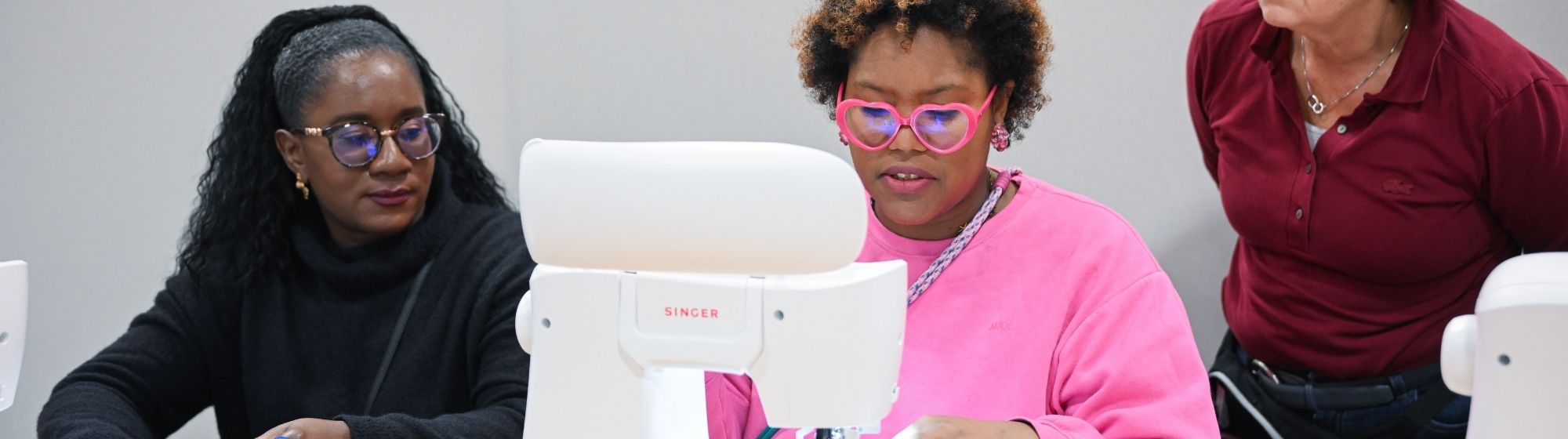
175 years of history – that’s exceptional in this industry. In your opinion, what is Singer’s secret to remaining a benchmark in haute couture, generation after generation?
A brand so closely linked to the product it represents is relatively rare. Singer was the first brand to mass-produce and market the sewing machine on a large scale.
Its success and reputation have enabled it to enjoy this extraordinary longevity, despite several challenging periods in a constantly changing world.
But beyond the product itself, there is, above all, a very emotional connection with the brand. Many female users still refer to ‘their Singer’, rather than simply their sewing machine. It is a special bond, one that is often passed down through families.
And this passing on of knowledge is at the very heart of Singer’s history… just as it is of Créations & savoir-faire’s.
Créations & savoir-faire is celebrating its 30th anniversary this year. What would you like to say to the visitors who will be coming to celebrate this anniversary with Singer?
We want to tell them that we are always here and that we continue to support tailors in the best way possible, by offering them products that are ever more attractive, ergonomic and innovative.
And what better place than Créations & savoir-faire to come and meet this community of enthusiasts?
30 years of the trade fair – that’s bound to mean plenty of memories. Has there been an encounter or conversation with a visitor that has made a particular impression on you over the course of the festival’s various editions?
I’m always surprised by the huge turnout of enthusiasts at this exhibition.
Interest in DIY is constantly growing, which is very encouraging for our business. Créations & savoir-faire is a real meeting place, where people exchange ideas, discover new practices and share their passion.
And what is particularly interesting is that the average age of visitors seems to be falling year on year. Today, sewing and handmade crafts are attracting new generations of designers.
You are about to unveil a brand-new sewing machine. Could you tell us more about that? Will she be attending the trade fair?
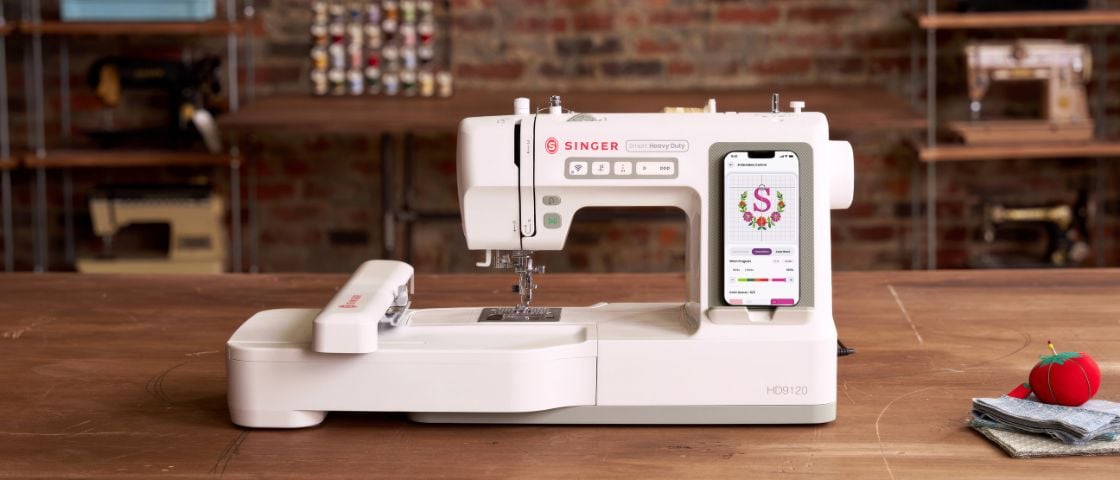
We are proud to present, for the very first time, the first sewing and embroidery machine that connects to your smartphone, offering a host of benefits for you to discover.
We have put a great deal of effort into its design to make it very accessible to a new customer base. It has just arrived in our shops and is now available.
And for those who’d like to find out more, it can also be found on Créations & savoir-faire.
Given the success we are expecting, a second container is already on its way to prevent any potential stock shortages.
If you had to imagine the future of fashion, what would it look like?
Sewing has changed a great deal. For many years, it was simply a ‘need to sew’, a household chore: you had to make your own clothes, mend the children’s clothes, adjust hems or pass trousers down to younger siblings.
Over the past few decades, the ‘desire to sew’ has gradually taken precedence over the need: the desire to create, to express oneself, to concentrate and to learn.
Sewing boosts self-confidence. I’ve often heard that it’s a way of getting away from it all, of forgetting your problems, and even that it’s the best antidepressant there is.
Today, sewing is therefore much more than just a craft: it is a space for creativity, self-expression and wellbeing.
Many designers still sew on their grandmother’s Singer, whilst dreaming of the very latest smart sewing machine. How do you explain this attachment, which is both nostalgic and modern?
There is always an emotional aspect to passing a sewing machine down from a mother to her daughter.
Singer machines are built to last: they have been passed down through the generations and have become a mark of quality.
But this story does not mean that Singer looks solely to the past. The brand has also often been at the forefront of innovation in sewing : the first electric machines, the first electronic machines and, today, a smartphone-controlled sewing and embroidery machine.
Ultimately, that is what Singer is all about: preserving traditional craftsmanship whilst continuing to pioneer the future of fashion.
Sewing your own clothes also means rediscovering a sense of purpose in what you wear. How is Singer supporting this new generation?
The growth and globalisation of the ready-to-wear fashion industry are having a paradoxical effect on younger generations, who are becoming aware of the environmental challenges that lie ahead.
They want to cut down on their consumption and prefer to make, design and adapt their own clothes: using higher-quality materials, repurposing beautiful pieces or even customising clothes they’ve already worn through upcycling.
Sewing thus becomes a way of doing things yourself, but also of doing things differently.
To finish on a slightly more unusual note: what is the most unexpected project made using a Singer machine that a designer has shared with you?
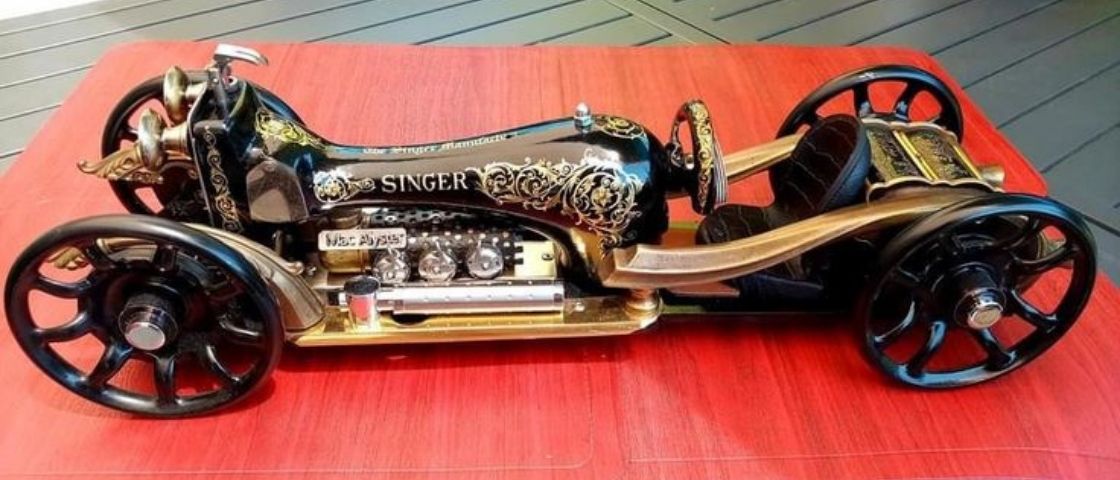
A number of people are collecting old, pre-war Singer sewing machines to turn them into model cars.
This makes for some truly beautiful decorative pieces, and it’s also a lovely illustration of what creativity can achieve: giving a new lease of life to an object that seemed destined to disappear.
From our grandmothers’ sewing machines to the latest smart innovations, Singer illustrates in its own unique way 175 years of evolution in sewing.
And to mark its 30th anniversary, Créations & savoir-faire is bringing together precisely those who are keeping these skills alive today: enthusiasts, designers, experts, brands and the new generation of makers.
From 18 to 22 November 2026, come and celebrate 30 years of creativity and discover Singer at the trade fair.
Are you passionate about sewing and design, or simply curious to find out what you can create with your own two hands? Now’s the time to book your ticket!