
COUTURE: GO UPCYCLING!
The main principles of upcycling couture
The textile industry is one of the most polluting in the world. Making a garment from natural, recycled or second-hand fabrics is an ecological gesture. Clothing upcycling is part of a circular approach: instead of producing new materials, we reuse and magnify what already exists.Repair: extending the life of your clothes
Repairing instead of throwing away is the first step in upcycling. A few simple techniques:
- Remove lint with a razor.
- Fitting fashionable elbow pads.
- Visible mending (decorative darning).
- Hide a stain with an embroidered patch (embroidery ideas here).
Textile recovery: reinventing materials
Upcycling clothes: transforming what already exists
Garment upcycling involves transforming a previously worn piece into a unique creation. For example:
- Transform two basic T-shirts into a two-tone design.
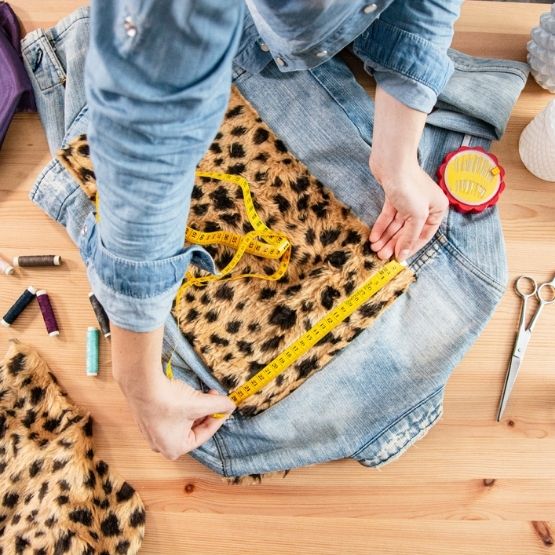
- Cut up worn jeans to create a patchwork jacket.
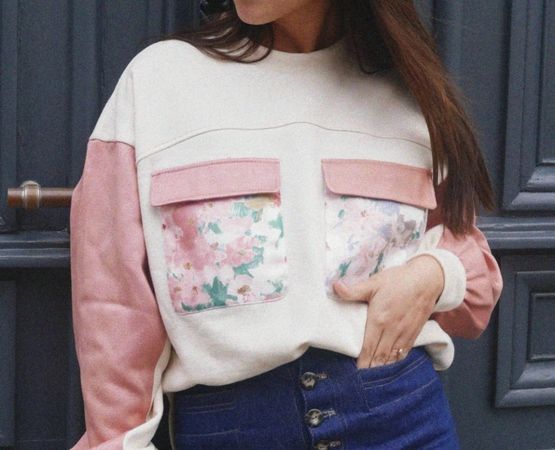
- Add a pocket or an original sewing detail.
The main principles of upcycling couture
Mending
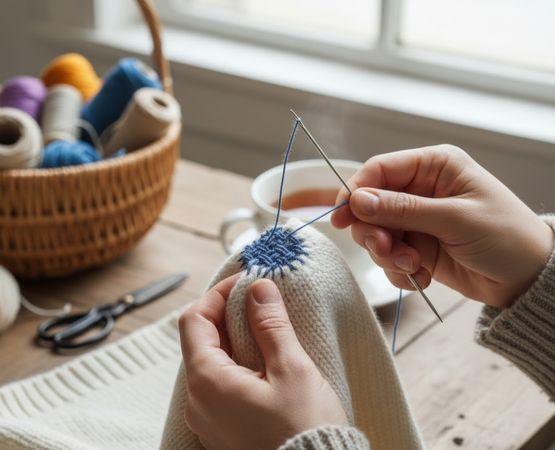
How do you darn?
- Recreating the textile fibre: using a needle and thread, we reconstitute the warp and weft threads by weaving directly into the damaged fabric.
- Use a darning egg: this small wooden tool is inserted into a sock or sleeve to stretch the textile and facilitate repair, while retaining the rounded shape (perfect for heels or elbows).
- The speedweaving: a modern mini loom that simplifies work and allows precise rendering, ideal for novices.
Invisible or visible darning
Traditionally, a thread of the same colour as the garment was used for a discreet, almost invisible result. But today, the trend towards visible mending is transforming repair into an aesthetic asset:
- Contrasting fluorescent or metallic threads.
- Graphic patterns to highlight the repaired area.
- Compare this with Japanese kintsugi, which sublimates the scars on an object.
This means that darning is no longer just a repair, but a true customisation, which fits perfectly into your sewing projects oriented sustainable fashion.
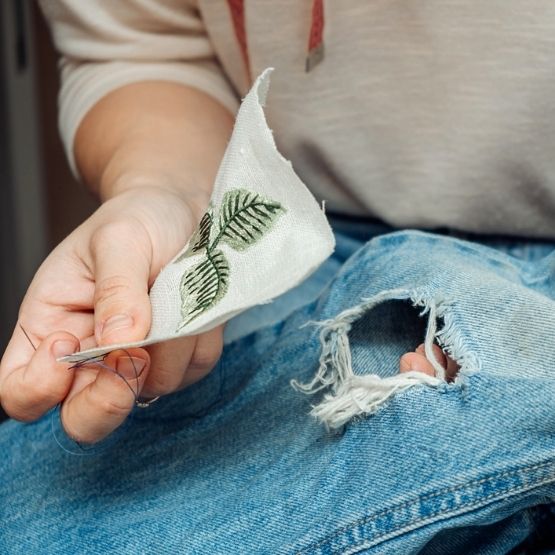
Patching
Patching consists of repairing or reinforcing a textile by adding an extra piece of fabric. This ancient technique is still widely used in upcycling sewing, as it extends the life of a garment while adding a unique touch.
The best-known variants include:
- The patch: a piece of fabric applied to the front or back of the textile, sewn or heat-bonded. It can be decorative or discreet.
- Japanese sashiko: a geometric embroidery that strengthens weakened areas while creating decorative patterns.
- The Boro: also Japanese, it superimposes several pieces of fabric fixed with visible stitches, creating a random patchwork effect.
These techniques, which were once purely utilitarian, are now being revisited to give upcycled garments a trendy, artisanal look.
Assembly & pattern-making
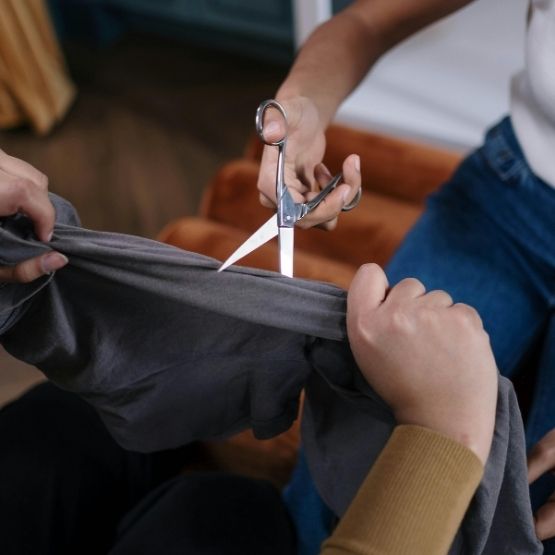
Steps to follow:
- Choosing the right clothes:Prefer sturdy fabrics (jeans, thick shirts, cotton, linen). Resistant materials can be transformed several times without losing quality.
- Prepare the fabric: wash and iron your clothes before cutting them out. This allows you to work on a clean basis and reveal the fragile areas to be avoided.
- Optimise cut-outs: take advantage of existing elements such as buttonholes, hems, collars or pockets. For example, a shirt sleeve can become the leg of a pair of shorts, or a pocket that has already been sewn on can be repositioned.
- Create a new pattern: draw your new pieces according to the material available. Putting together several garments with different patterns and textures creates a unique patchwork style.
This technique requires a little more know-how, but it is ideal for any ambitious sewing project where you really want to make a personalised and durable garment.
Upcycling and new technologies
New technologies are leading to industrial innovations for more responsible fashion: digital pattern-making and cutting tools, combined with artificial intelligence, mean that fabrics can be cut in an optimised way to minimise waste.
More accessible to individuals, there is pattern-making software that will allow you to design your own made-to-measure patterns according to your measurements, such as Valentina, which is free. This can be very useful when creating a garment from existing or scrap fabrics.
Finally, the many online sewing communities share collaborative patterns and interactive tutorials that anyone can add their own tips to.
An increasing number of ready-to-wear and haute-couture brands are using upcycling in their new collections, such as pattern-maker Maéli, which produces capsule ready-to-wear collections in recycled fabrics, including curtains in vintage patterns.
Customisation
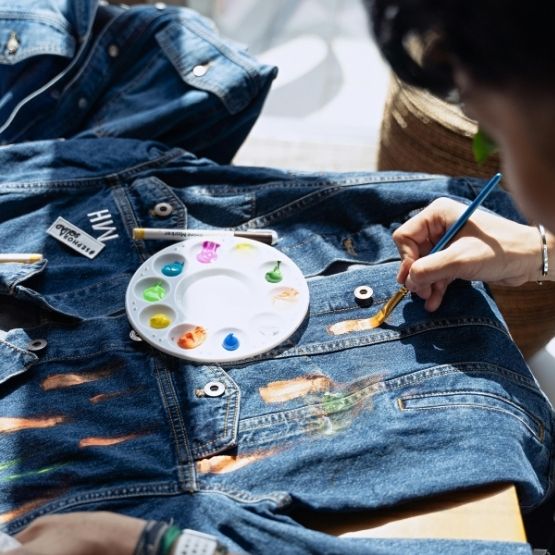
A few customisation ideas :
- Embroidery : floral, graphic or personalised motifs to give character to a jacket or jeans.
- Fusing patches: quick to apply, they can hide a stain or create a fun, on-trend effect.
- Fabric dyeing & tinting: to transform a plain T-shirt into an artistic piece or restore colour to a faded garment.
- Pearls, sequins, ribbons: perfect for fans of festive and original fashion.
- Crochet or knit added: a crochet border on a collar or hem can give a unique handmade touch.
Key points to bear in mind :
- Durability: make sure the customisation stands up to washing. Heat-set textile paint or embroidery on removable backing materials are good options.
- Comfort: added elements must not interfere with the wearing of the garment (e.g. protect the reverse side of an embroidery with a soft fabric).
- Material compatibility: associating delicate silk with thick cotton can pose maintenance problems. Check that the textiles you choose are consistent.
Customisation is ideal for starting out, as it allows you to do upcycling without advanced technical skills and immediately transform a basic piece into a unique garment.
Creating your conscious wardrobe
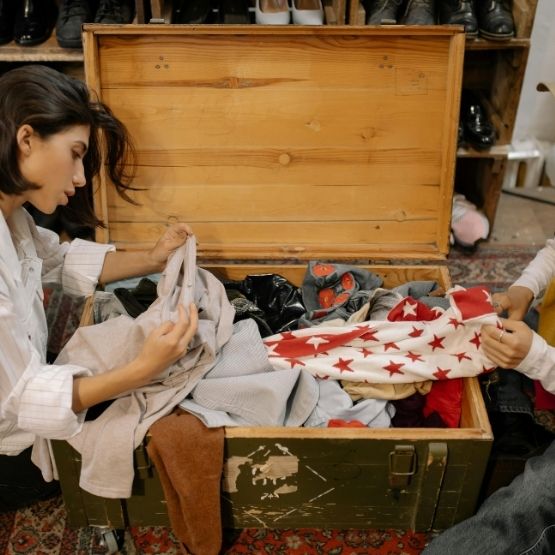
Where to find inspiration and raw materials
- Your own dressing room: the best resource for upcycling.
- Thrift shops, second-hand shops, garage sales.
- End of series coupons.
- Labelled fabrics (Oeko-tex, GOTS, BioRe, RWS, Masters of Linen®).
Some upcycled fashion designers to follow
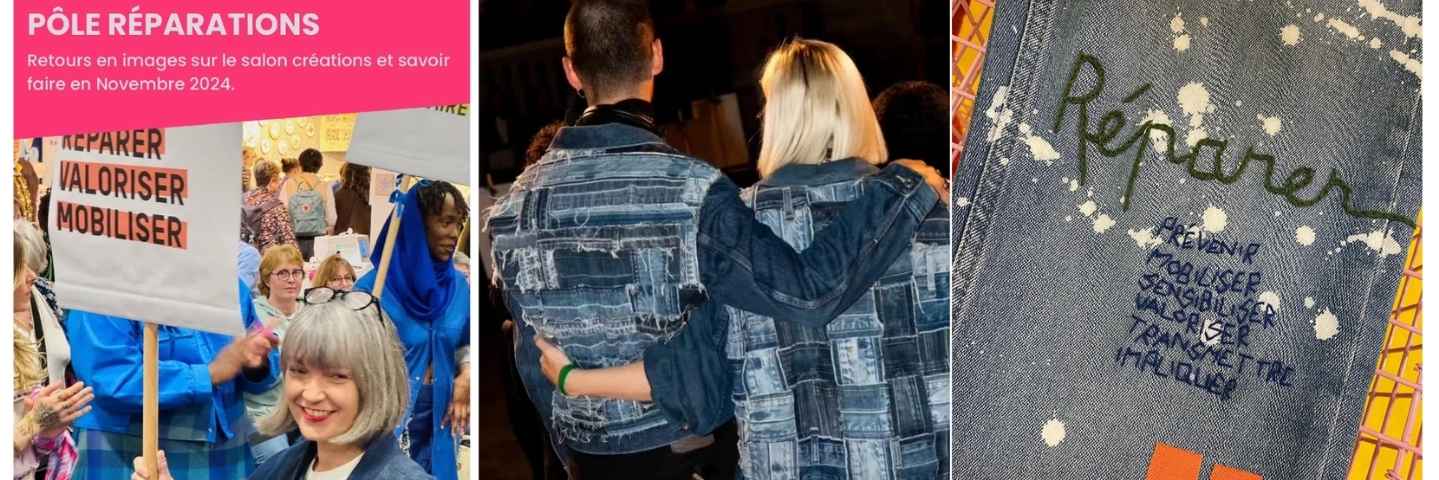
Atelier Céline Dupuy
A textile designer specialising in upcycling, Céline is committed to responsible fashion and enthusiastically shares her expertise at workshops, training courses, festivals, temporary boutiques and conferences...
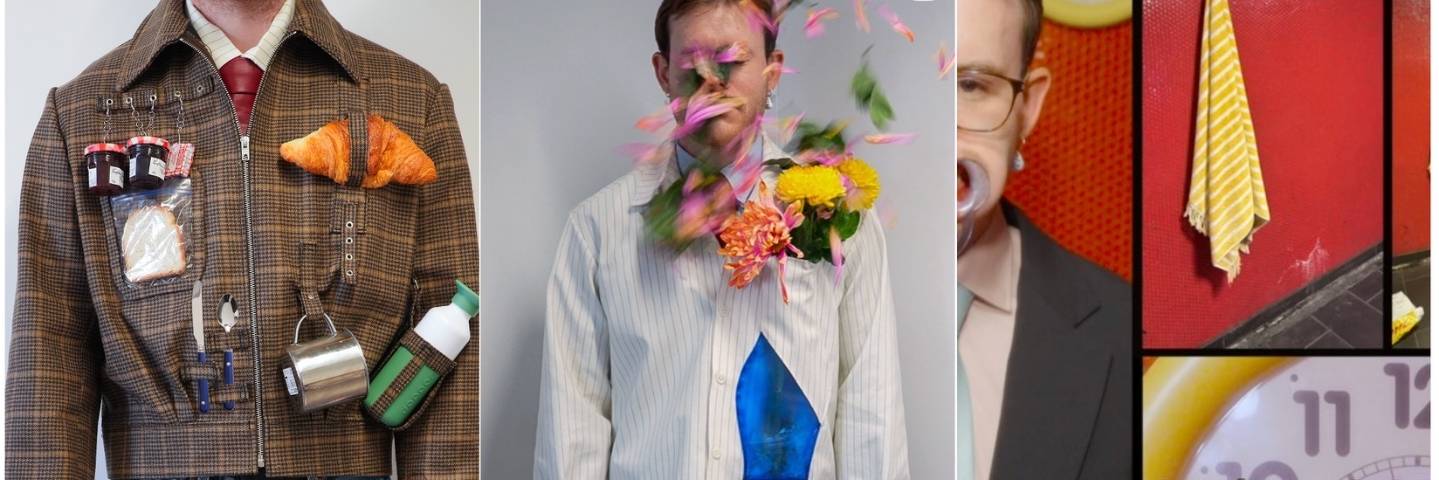
Robin Lordereau
A designer specialising in upcycling, Robin recycles our objects with a great deal of humour, commitment, ingenuity and collaboration with the public!
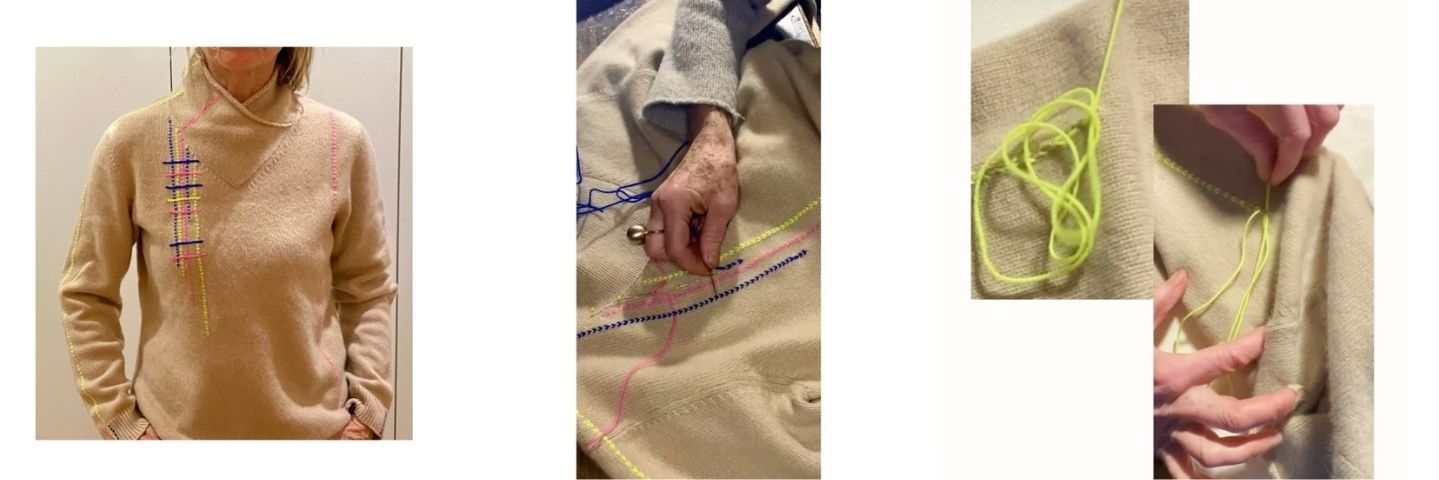
Anne Sailor
As an embroiderer, Anne works exclusively on recycled fabrics... and sometimes on your clothes! Her Instagram account is a mine of inspiration for visible mending.
FAQ about upcycling fashion
What is upcycling fashion?
This is the art of giving new life to existing garments or fabrics by transforming them into unique pieces, without the need for new textile production.
What are the disadvantages of upcycling?
It takes time, creativity and sometimes a few technical skills. But the results are unique and long-lasting.
What is the upcycling trend?
It's a fast-growing practice that makes the most of what already exists, combats textile waste and is part of sustainable fashion.
How do I get started with upcycling?
Start by repairing your clothes, then try your hand at customisation. Finally, dare to transform entire pieces using pattern-making and creative sewing.
What is the difference between upcycling and clothing recycling?
Recycling transforms the raw material (e.g. cotton thread from used clothing), while upcycling keeps what exists to make an improved part.