
12/06/2026
5 CREATIVE IDEAS TO PACK IN YOUR SUITCASE FOR YOUR HOLIDAYS
Watercolour: create a mini souvenir diorama
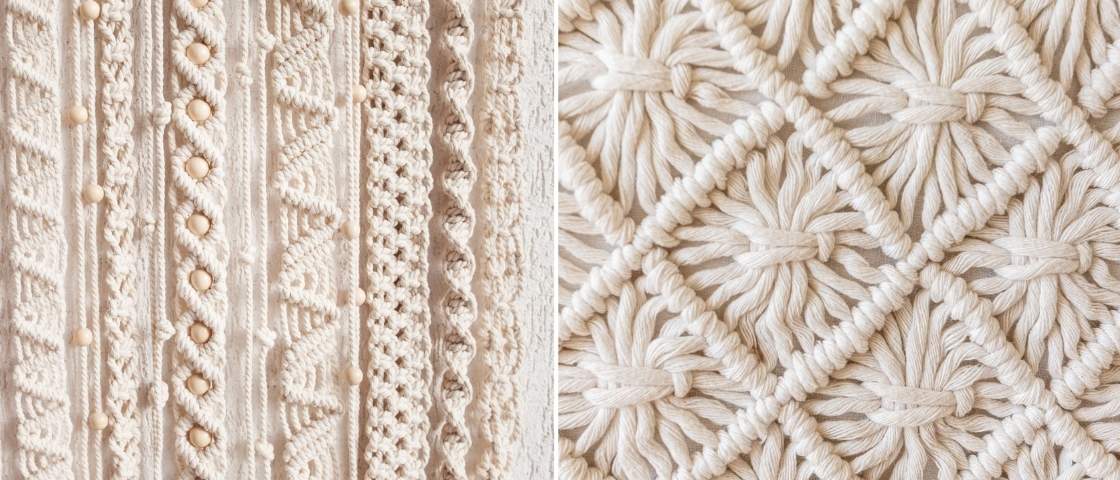 © Image generated by artificial intelligence
What to pack:
- a small box of watercolours, including a brush and palette
- a pad of A5 watercolour paper
- a pencil
- a craft knife and a pair of scissors
- a tube of glue
Directed by:
- Take a seat and enjoy your favourite holiday view.
- Identify the different planes (3 to 5 planes): the sky in the background, the sea, then the beach and a beach hut in the foreground, for example.
- Draw each sketch on a sheet of watercolour paper.
- Colour each of the drawings with watercolours.
- Cut out each section.
- Cut a blank sheet of paper lengthways to make two A6 sheets (10.5 x 14.8 cm).
- Make vertical slits in these two rectangles, making as many slits as there are lines drawn.
- Cut the four corners of each sheet to create tabs that can be slotted into the slots.
- Slide each piece into the slots in the rectangles on either side.
Your diorama is standing up!
Have fun creating lots of different landscapes by replacing all or some of the layers.
Collage: create postcards in the style of a travel journal
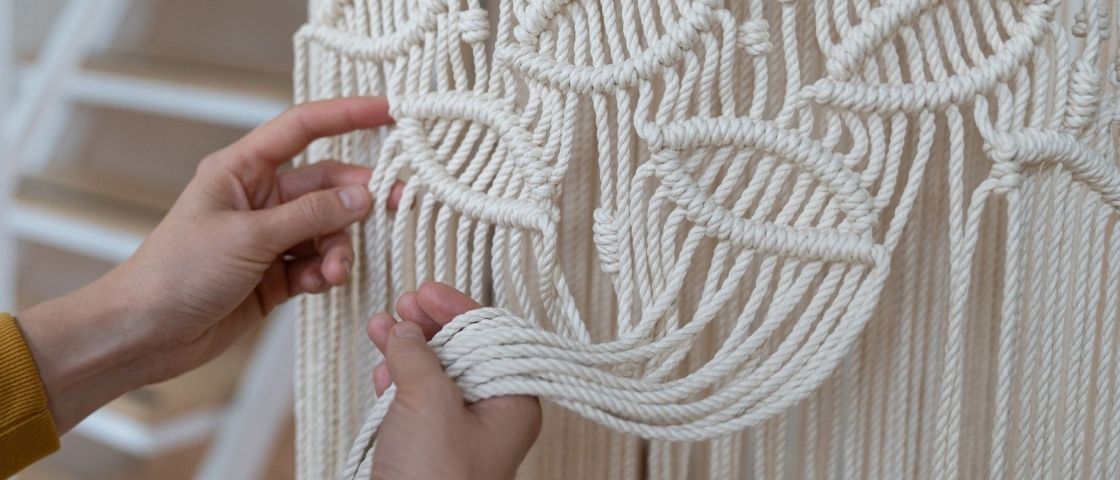 © Image generated by artificial intelligence
What to pack:
- a pad of thick A6 paper
- double-ended felt-tip pens
- a pair of scissors
- a tube of glue
Directed by:
- During your holiday, collect transport tickets, sweet wrappers, food packaging, stamps, exhibition tickets, magazines… Then have fun cutting these items out to make collages based on your trip.
- Stick these items onto the front of a piece of thick paper the size of a postcard.
- Add a few drawings and keywords using coloured felt-tip pens.
- On the back, using a fine black felt-tip pen, draw a vertical line down the centre of the sheet, then four horizontal lines in the bottom right-hand corner. Stick a stamp in the top right-hand corner, write the recipient’s address and compose your message on the left-hand side, just like a proper postcard.
What if you sent these postcards to yourself, as little mementos of your holiday to find in your letterbox when you get home?
Embroidery: personalise your summer clothes
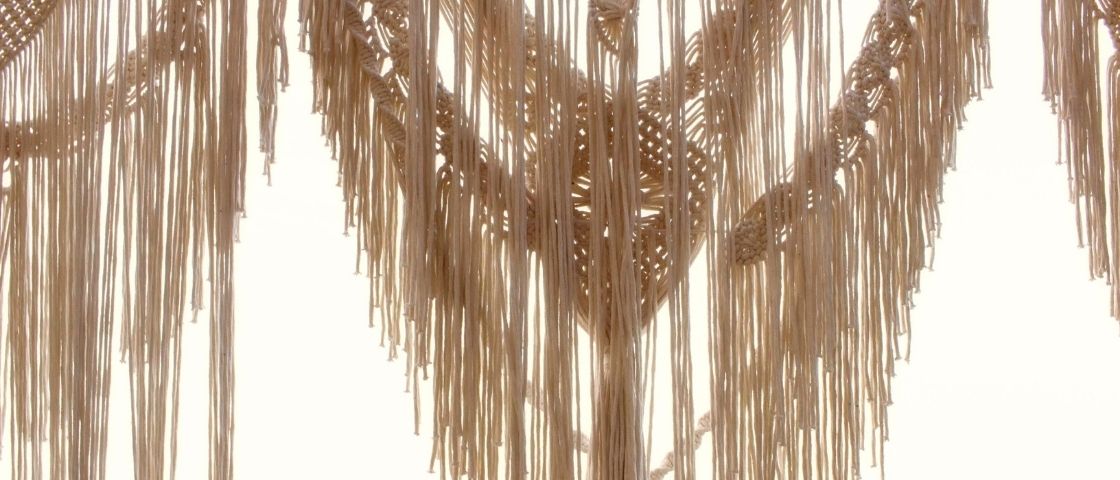 © Image generated by artificial intelligence
What to pack:
- a piece of water-soluble fabric
- a pencil
- skeins of embroidery thread
- an embroidery needle
- pins
- a mini embroidery hoop
Directed by:
- Take inspiration from the traditional patterns you discovered on holiday to personalise your summer outfits.
- For example, on a piece of water-soluble fabric, draw a geometric border inspired by the capitals of Greek temples.
- Place this border pattern at the top of a shirt pocket. Secure it with pins.
- Stretch the fabric over the embroidery hoop.
- Embroider the border using backstitch with a lovely Greek blue embroidery floss.
- Remove the drum and rinse the cover under running water to dissolve the water-soluble fabric, leaving only the blue embroidery on the pocket.
Dried flowers: create a pocket herbarium
 © Image generated by artificial intelligence
What to pack:
- 2 A5-sized wood-effect cardboard sheets
- 6 sheets of A5 blotting paper
- 2 large elastic bands
Directed by:
- During your summer walks, do pick some seasonal plants… But please do make sure you follow the guidelines issued by the ONF and local authorities so as not to pick any protected plants!
- To transport your harvest, use a wicker basket in which you can gently place the plants without damaging them.
- When you get back from your walk, place a cardboard box in front of you on a table and put a blotting paper on top of it. Arrange the picked plants, flattening them with the palm of your hand.
- Then place another blotting paper on top. Place several layers of blotting paper on top of one another, with the plants laid flat between each sheet. Finish off this stack with a piece of stiff cardboard.
- Wrap the whole thing in large elastic bands to hold the cardboard, blotting paper and plants securely in place.
- Place the whole thing under a heavy book or any other heavy object with a flat base.
- Every two or three days, gently open your herbarium and replace the blotting paper that has absorbed moisture from the flowers.
- Drying times may vary depending on the type of plant.
- You can then frame these dried flowers, adding a small label stating the name of the plant, the date and the place where it was picked, as a holiday souvenir.
Jewellery: make holiday souvenir charms
 © Image generated by artificial intelligence
What to pack:
- Jewellery findings: rings, wires, chains, brass wire
- A jewellery pliers -Jewellery glue
- Gold leaf and gilding paste
- A paintbrush
Directed by:
- Make the most of your holiday to collect small shells, seeds, pieces of polished glass and other little treasures.
- Using a fine brush, apply some gilding paste to one half of your favourite little shell, for example. Once the mixture has dried, gently cover it with gold leaf, then blow gently to remove any excess.
- Use an existing hole in the shell or wrap a thin brass wire around it to create a loop to which you can attach a jewellery ring.
- Thread this charm onto a chain, which you can then turn into a bracelet.
- Why not make a few charms using small shells, seeds or pieces of polished glass decorated with gold leaf, to create a unique charm bracelet – a real holiday souvenir.
And what about you – what creative supplies are you planning to pack in your suitcase? Share your creations using #salonCSF